My literacy resources are designed to make the structure of written English more explicit. They focus on helping learners see patterns in sounds, spelling and word structure, rather than relying on memorisation alone.
The collection currently includes structured phonics materials and a book exploring prefixes, suffixes, roots and other word parts. These resources may be particularly useful for learners who benefit from explicit teaching, repeated practice and a clearer explanation of how English works.
Phonics Resources
Animal-Themed Phonics Progression – Multisensory Activities
A structured phonics resource using animal themes to provide repeated practice with sounds and spelling patterns.
The activities are designed to make phonics work engaging while retaining a clear progression. A multisensory approach allows learners to encounter the same sound–spelling relationships in different ways, helping to reinforce recognition and recall.
The resource can be used in one-to-one tuition, intervention work or alongside a wider phonics programme.
Animal-Themed Phonics Progression – Free Sample
A free sample from the full Animal-Themed Phonics Progression resource.
It gives teachers, tutors and parents an opportunity to see the structure and style of the materials before deciding whether the complete resource would be useful for their learner.
View the free Animal-Themed Phonics Progression sample on TES →
Understanding Word Structure
Learning to read and spell English involves more than recognising individual sounds. As vocabulary becomes more complex, understanding how words are built can give learners another way of working out meaning and spelling.
Prefixes, suffixes and roots can help learners recognise connections between words, notice recurring patterns and make more informed decisions when they meet unfamiliar vocabulary.
Related Book
Understanding English Through Word Parts
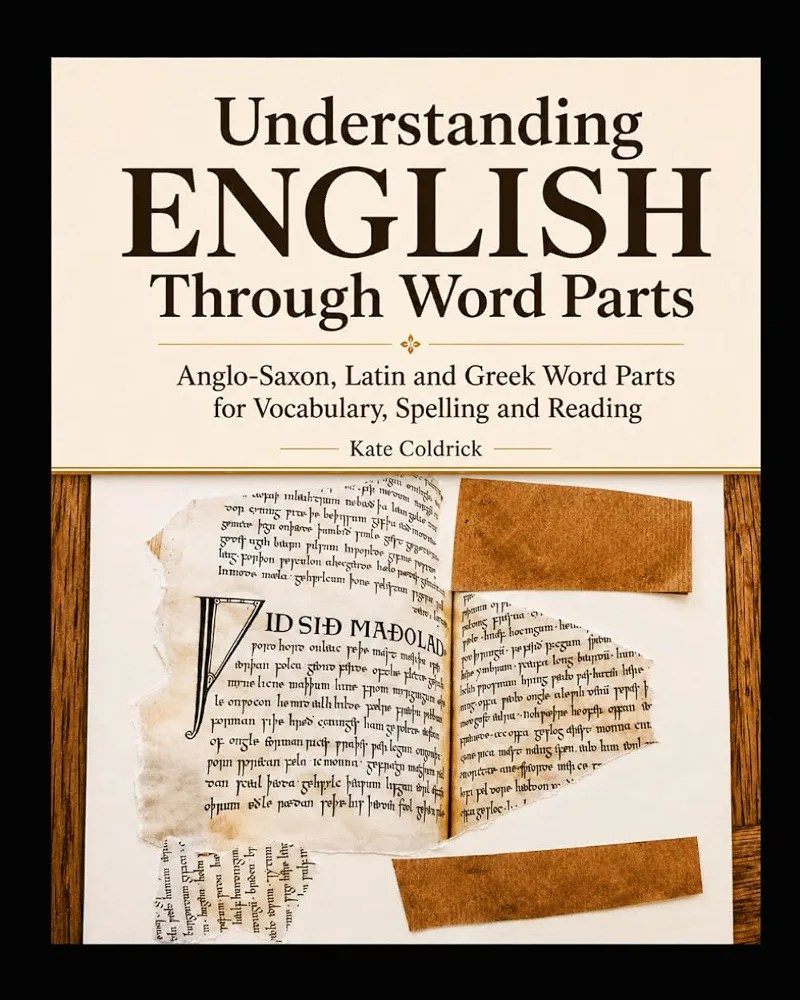
Understanding English Through Word Parts explores how the structure of words can support vocabulary, spelling and reading.
The book introduces learners to prefixes, suffixes, roots and the relationships between related words. Rather than treating every unfamiliar word as something new to memorise, it encourages learners to look for meaningful parts and recurring patterns.
It is intended for learners who would benefit from a more explicit understanding of how English words are constructed, as well as for teachers, tutors and parents looking for practical ways to develop morphological awareness.
A More Explicit Approach to Literacy
Some learners pick up patterns in reading and spelling relatively easily through exposure. Others need those patterns to be taught much more directly.
A learner may be able to read a familiar word but struggle to recognise the same sound or word part in a new context. Equally, they may know a word when they hear it but find it difficult to work out its spelling or connect it with related vocabulary.
My literacy resources aim to make those underlying patterns easier to see. Phonics work provides structured practice with sound–spelling relationships, while work on word parts helps learners move towards the increasingly complex vocabulary they encounter as they get older.
Who These Resources May Help
These materials can be used with a wide range of learners, including students who need additional practice with phonics, spelling or vocabulary, as well as learners with dyslexia or language-processing differences.
They can also be useful with older learners who have gaps in earlier literacy learning but need materials and explanations that do not feel unnecessarily childish.
More English Resources
You can also explore my Functional Skills English, GCSE English Language and neurodiversity resources.
Browse Functional Skills English resources →
Browse GCSE English Language resources →

